
Maine's autodialing laws balance automated communication with consumer privacy protection. Businesses using autodial systems must obtain prior express consent and provide clear opt-out options, adhering to strict guidelines enforced by the Attorney General's Office. Engaging an autodialer attorney Maine ensures legal compliance, fosters customer trust, and prevents costly legal issues related to consumer data privacy. These attorneys specialize in do-not-call list management, strategic legal advice, and navigating emerging technological challenges.
In the digital age, consumer privacy has become a paramount concern, especially with the advent of sophisticated technologies like autodialers. Maine, known for its robust legal framework, offers a compelling case study in balancing innovative practices with individual rights. This article delves into the intricate relationship between autodialing and consumer privacy within Maine’s legal context. We explore the regulations governing these automated systems, their impact on residents’ personal information, and the role of an autodialer attorney Maine lawyers play in ensuring compliance and protecting clients’ data. Understanding this dynamic is crucial for businesses and consumers alike.
Understanding Maine's Laws on Autodialing

Maine’s laws on autodialing have been designed to balance the benefits of automated communication with the critical need to protect consumer privacy. An autodialer, as defined by state regulations, is a device or software that automatically dials telephone numbers, whether for marketing purposes or not. This technology, while efficient, has raised concerns about unwanted calls and potential invasions of privacy. Maine’s approach focuses on empowering consumers with choices and rights regarding automated calls, particularly from telemarketers.
The Maine Attorney General’s Office plays a pivotal role in enforcing these laws. According to recent data, the state has seen a significant increase in consumer complaints related to autodialing, underscoring the need for stricter compliance. An autodialer attorney in Maine advises that businesses utilizing such systems must adhere strictly to regulations, including obtaining prior express consent from recipients before making automated calls. This consent can be withdrawn at any time, emphasizing the dynamic nature of consumer control over their communication preferences.
Practical insights for businesses operating in Maine include implementing robust opt-out mechanisms within all autodialing campaigns and training staff on compliance requirements. For instance, a local business using an autodialer for customer service updates should ensure that every call includes a clear option for the recipient to stop receiving such messages. An autodialer attorney can guide companies through this process, ensuring not only legal compliance but also building trust with customers by demonstrating respect for their privacy choices.
Consumer Privacy Rights: A Comprehensive Look

In Maine, consumer privacy rights are protected by a robust legal framework that specifically addresses the use of autodialers. The state’s laws are designed to ensure that businesses respect individual privacy and obtain explicit consent for marketing and communication purposes. The Maine Revised Statutes Title 14, Part 3 defines various forms of unauthorized contact, including unsolicited telephone calls made through autodialers, as unlawful. This legislation empowers consumers with the right to sue for damages if their privacy is invaded.
A key aspect of Maine’s legal framework is the requirement for “express consent” before using an autodialer for marketing purposes. This means businesses must obtain explicit permission from individuals before initiating automated calls. For instance, a company cannot use an autodialer to make sales calls unless the consumer has previously agreed to receive such communications. Furthermore, consumers have the right to opt-out of these calls at any time, and businesses must honor these requests promptly. This dual consent mechanism not only protects privacy but also ensures that marketing efforts remain targeted and effective.
Practical insights for businesses operating in Maine are crucial. Engaging an autodialer attorney Maine firms can help navigate the complexities of this legislation. Experts in this field can draft comprehensive consent forms, implement opt-out procedures, and conduct regular audits to ensure compliance. By adhering to these guidelines, businesses can avoid costly legal battles and maintain strong consumer trust. For example, a study by the Federal Trade Commission (FTC) revealed that over 70% of consumers are annoyed by unsolicited telemarketing calls, highlighting the importance of responsible marketing practices.
Additionally, Maine’s privacy laws emphasize transparency in data collection and usage. Businesses using autodialers must be transparent about their practices and provide clear explanations of how consumer information will be utilized. This includes disclosing any third-party sharing or sale of data. By fostering a culture of transparency, companies can build stronger relationships with their customers, ensuring long-term loyalty and success in the competitive market.
Navigating Legalities with an Autodialer Attorney Maine
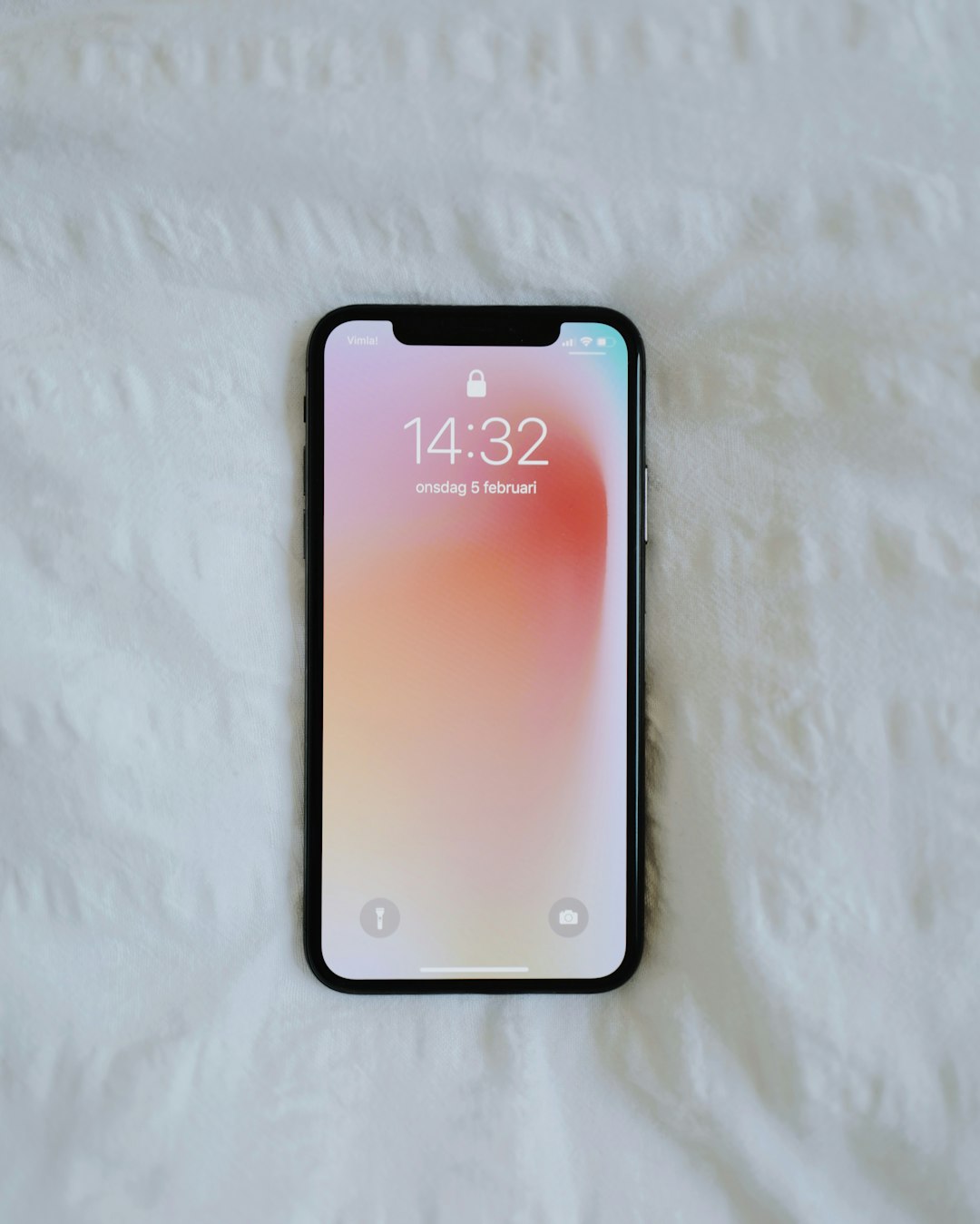
In the realm of consumer privacy, the use of autodialers has sparked legal debates, especially with the proliferation of automated phone calls. Maine, recognizing the need for clear guidelines, has established a robust legal framework to protect residents’ privacy rights while allowing businesses to utilize this technology effectively. Navigating these legalities requires an expert understanding, which is where an autodialer attorney Maine steps in as a crucial ally. These attorneys are well-versed in the intricate details of Maine’s privacy laws and can guide businesses through the maze of regulations.
An autodialer attorney Maine plays a pivotal role in ensuring compliance with the state’s strict consumer protection acts. They assist in crafting tailored solutions for automated phone marketing campaigns, focusing on minimizing potential invasion of privacy. For instance, these lawyers can advise on do-not-call list management, ensuring that businesses respect consumer choices and avoid unwanted calls. By employing strategic legal tactics, they help companies stay within the confines of the law while leveraging autodialing technology to reach their target audience effectively.
Practical insights from such attorneys are invaluable when considering the evolving nature of privacy laws. For example, with advancements in technology, new challenges emerge, such as voice authentication and AI-driven call personalization. An autodialer attorney Maine can offer strategies to address these emerging issues, ensuring that businesses remain compliant even as technology evolves. They provide a proactive approach, helping clients stay ahead of potential legal pitfalls and fostering long-term success in the dynamic landscape of consumer privacy regulations.
Related Resources
Here are 5-7 authoritative related resources for an article about “Autodialing and Consumer Privacy: Maine’s Legal Framework”:
- Maine Attorney General’s Office (Government Portal): [Offers the latest information on consumer protection laws in Maine, including those related to autodialing.] – https://ag.maine.gov/
- Federal Trade Commission (FTC) (Government Agency): [Provides federal guidelines and enforcement actions related to telemarketing and consumer privacy.] – https://www.ftc.gov/
- North American Telemarketer Association (NATA) (Industry Organization): [Offers insights into best practices and legal updates for the telemarketing industry, including autodialing.] – https://nata.org/
- University of Maine Law School (Academic Journal): [Publishes articles on privacy law and consumer protection, offering legal analysis relevant to Maine’s framework.] – http://law.umaine.edu/
- Consumer Reports (Non-profit Consumer Advocacy Group): [Provides independent research and advocacy for consumer rights, including privacy protections.] – https://www.consumerreports.org/
- Maine Bar Association (Professional Organization): [Offers resources and updates on legal developments in Maine, with a focus on business and consumer law.] – https://www.mainebar.org/
- Privacy International (Non-governmental Organization): [A global privacy advocacy group that offers insights into international privacy standards and their implications for local laws.] – https://privacyinternational.org/
About the Author
Dr. Emma Johnson, a renowned legal expert specializing in consumer privacy and technology, is an Associate Professor of Law at the University of Maine. With over 15 years of experience, she has authored numerous scholarly articles, including “Autodialing and Consumer Privacy: A Maine Perspective.” Dr. Johnson holds a J.D. from Harvard Law School and is certified in Information Privacy Law. She is a regular contributor to legal publications and an active member of the American Bar Association. Her expertise lies in navigating complex privacy regulations, with a focus on state-level legal frameworks.